Concrete Benefits & Operational Impact
The transition to solar energy has fundamentally transformed the facility's operational efficiency and environmental footprint:
Drastic Cost Reduction: Because industrial digital offset printing is highly energy-sensitive, this 100 kWp system offsets the factory's peak daytime load, reducing monthly commercial grid electricity bills by a projected 30% to 70%.
Accelerated ROI: True to commercial solar economics, the plant offers a rapid investment payback period estimated at just 4 to 6 years. Beyond this period, the system will yield virtually free green energy for the remainder of its 25+ year operational lifespan.
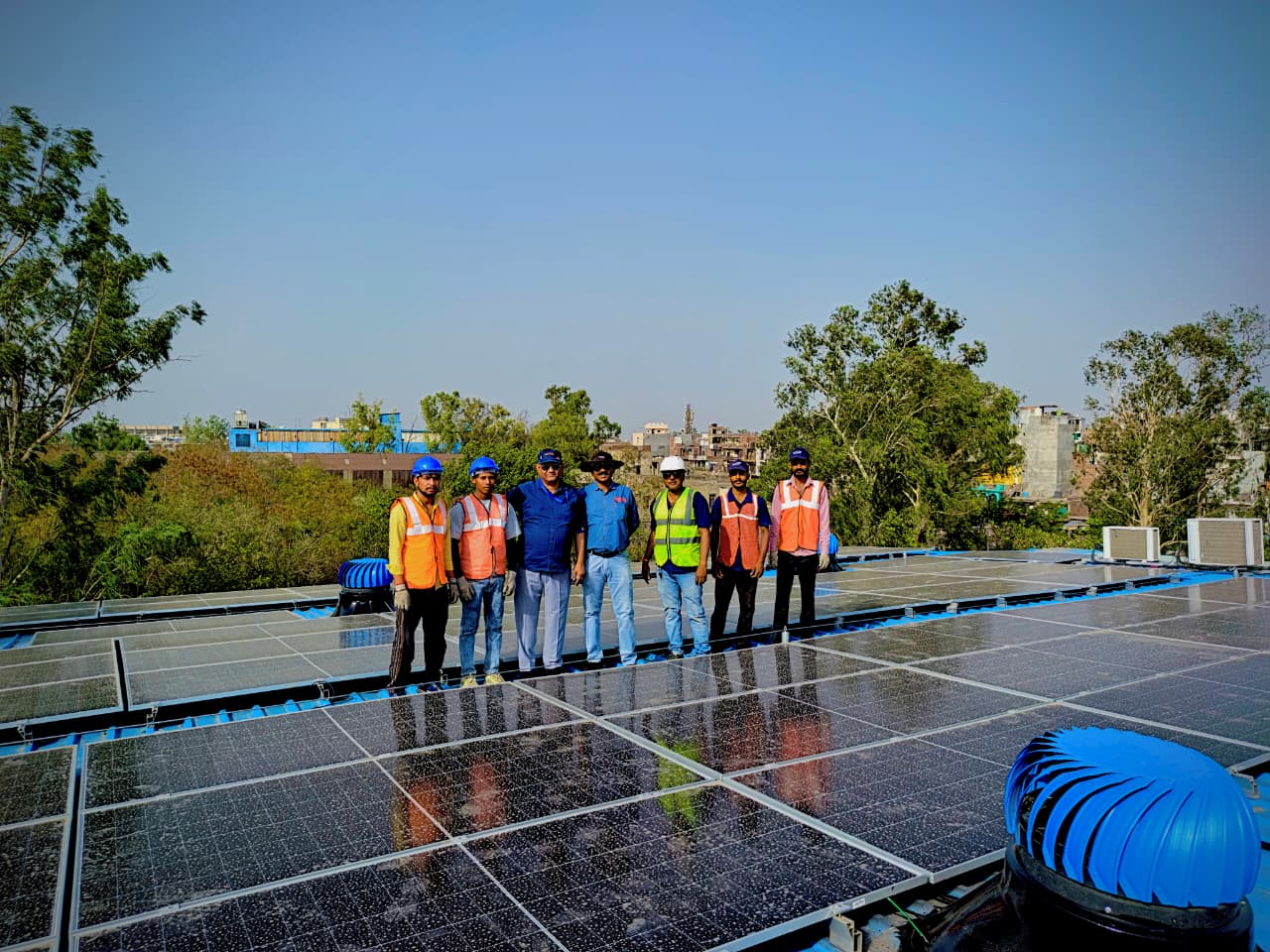
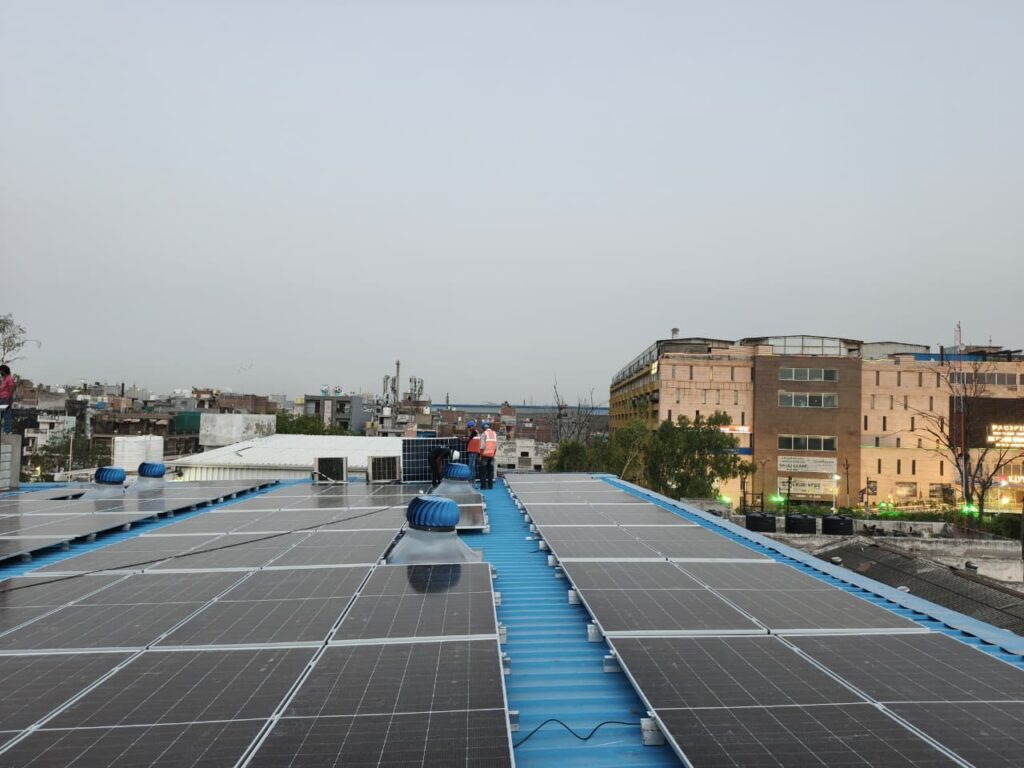
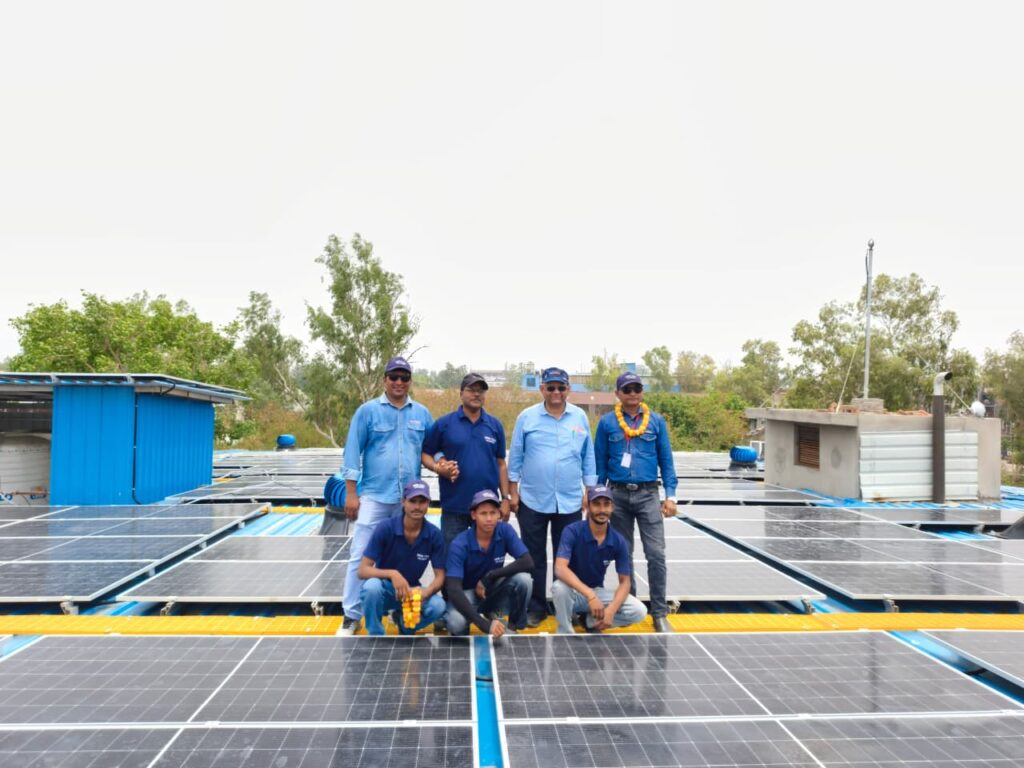
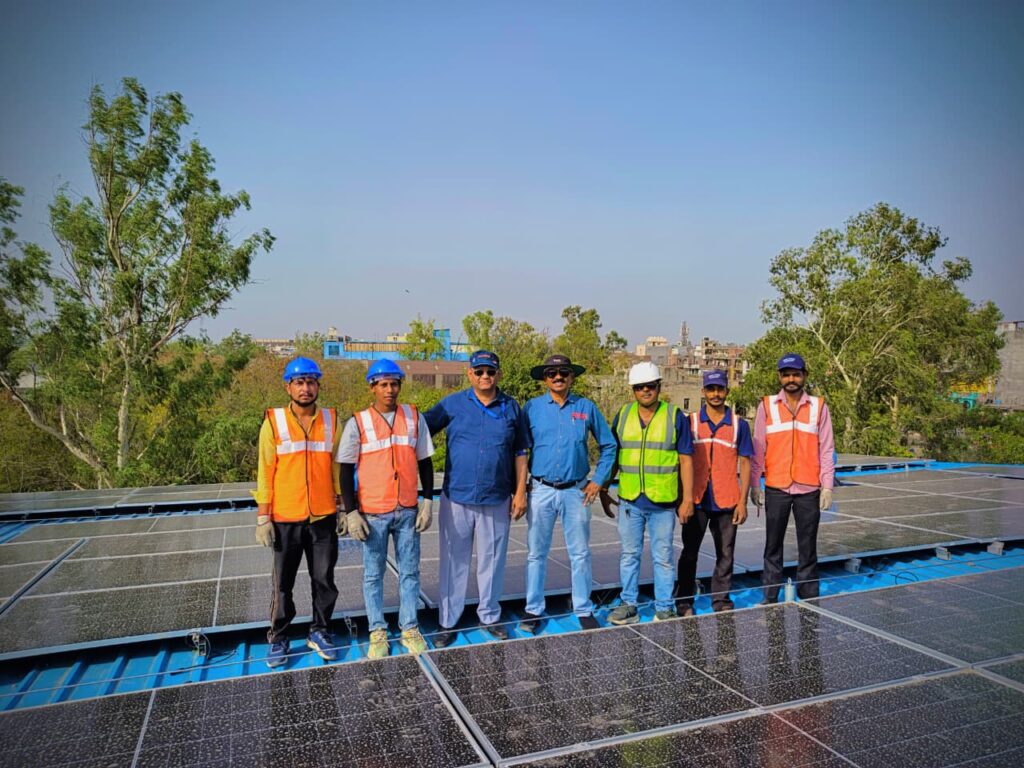
Thermal Regulation: The physical installation of the solar array acts as an insulating shield over the factory roof. By blocking direct sunlight from hitting the concrete structure, it lowers the building’s internal thermal load, significantly reducing HVAC cooling requirements for the ground-floor printing zones.
ESG Compliance & Leadership: For a major institutional partner working closely with government boards and universities, corporate sustainability is crucial. Every 1 kWp of this rooftop system abates carbon emissions equivalent to planting roughly 50 trees over its lifetime, firmly positioning KVR Infosys as a certified green-energy leader in the manufacturing landscape.
Handling millions of examination documents for prestigious bodies like CBSE and Delhi University demands massive, uninterrupted power. Historically, running these large-scale operations resulted in high commercial electricity tariffs and a heavy carbon footprint—a common challenge for intensive industrial printing facilities.